
When the Market Falls: Understanding a Crash
INVESTING MADE EASY
Avik Dutta
12/21/20253 min read

The Crash
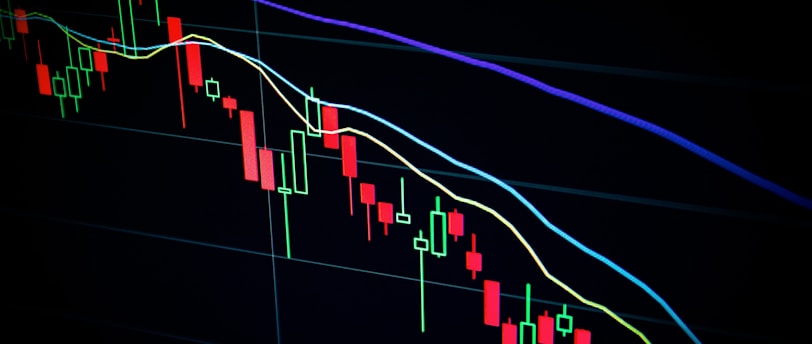
The stock market has experienced countless ups and downs throughout American history, but few events attract as much attention as a crash. From the Great Depression to the 2008 financial crisis, investors watch as enormous amounts of money disappear from the market in a matter of days. While crashes may be unpredictable, they reveal how economic conditions, investor confidence, and fear can change the direction of entire markets.
A major influence on the stock market is an investor's perception of the future. If an investor expects a certain company to earn a significant margin of money, they may be willing to pay more for their shares, pushing the prices of stock higher. However, as expectations change, the opposite can happen just as quickly. Concerns about inflation, unemployment, interest rates, and recession can cause investors to sell their investments, driving prices down.
Fear makes these declines worse, as when investors see stock prices falling, some may sell simply because they are afraid of losing more money. Those sales push prices down further, causing even more panic and putting investors into a position where they must sell. Falling prices create fear, and this fear creates additional selling.
Why Markets Crash
Market crashes have various causes behind them, but most of the significant crashes in American history follow periods of excessive optimism. When investors are convinced prices will continue to rise, they purchase stock at values that are difficult to justify based on the company's financial performance. If investors realize prices have become too high, the excitement can quickly turn into selling.
The dot-com crash of the early 2000s is a major example. During the late 1990s, investors were extremely optimistic about internet companies, sending the prices of many technology stocks soaring. As expectations were unable to match reality, the technology-heavy Nasdaq Composite lost a significant portion of its value.
The 2008 financial crisis stemmed from problems in the U.S. housing market, which spread throughout the financial system as risky mortgages and financial products started to collapse in value. Major financial institutions faced enormous losses, credit became difficult to obtain, and the resulting crisis pushed the U.S. into a major recession.
Recently, the COVID-19 pandemic has shown just how quickly a market is able to react to uncertainty. With businesses closing and investors becoming doubtful about the future, stock prices began to plunge by early 2020. Later, the market began to recover as economic conditions changed, businesses were able to adapt, and investors gained a clear understanding of the pandemic's effects.
After the Fall
A market crash doesn’t mean that the economy or investments are permanently damaged. The stock market and economy are connected, but they are not the same. Stock prices are based heavily on future expectations, meaning that markets can begin to recover before the broad economy has.
Nonetheless, recovery is not guaranteed for every investment. Some companies may face major struggles during a downturn and may fail. Crashes demonstrate an important reality while investing: prices do not always move based on what is happening today. They’re influenced by what millions of investors believe will happen tomorrow. A company can report strong earnings and still see a fall in its stock price if investors were expecting better results. Similarly, markets may be able to rise during difficult economic periods if investors believe that conditions will improve.
Ultimately, market crashes aren’t an unusual glitch in investing but a recurring part of financial markets. They show how economic conditions, expectations, and human emotions can combine to move trillions of dollars in value in a matter of days. Being able to understand why the market falls makes investing less about watching the rise and fall of numbers and more about understanding the forces behind said numbers.