
The European Union's Single Market
How the European Union's single market lets goods, people, and money move freely across borders.
ECONOMICS AROUND THE GLOBE
Advik Narasimhan
8/5/20252 min read
Introduction
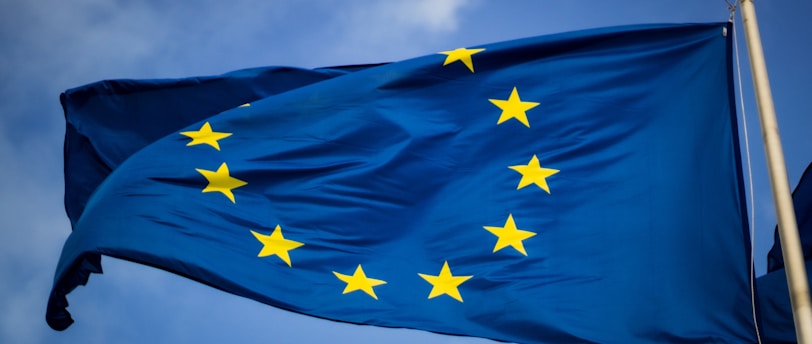
Imagine being able to move to another country to work without a visa, or ship products across borders without paying tariffs. For people in the European Union, that is everyday life, thanks to the EU single market.
What Is the Single Market?
The EU single market, launched in 1993, allows the free movement of goods, services, capital, and people among member countries. These are often called the four freedoms. The single market includes the 27 EU members, plus Norway, Iceland, and Liechtenstein through a separate agreement.
The Benefits
Removing trade barriers created one of the largest markets in the world, with around 450 million people in the EU. Businesses can sell across the continent more easily, and consumers enjoy more choices and lower prices. Workers can move to wherever jobs are available, and students can study in other member countries.
Challenges and Debates
Sharing one set of rules means countries give up some control. Some citizens worry about immigration or feel that decisions made in Brussels do not reflect local needs. These concerns played a role in the United Kingdom's decision to leave the EU in 2020, which ended its membership in the single market.
Conclusion
The EU single market is one of the boldest experiments in economic cooperation in history. It shows how countries can grow stronger by working together!