
The Economics of the Global Shipping Industry
About 80% of world trade travels by sea. Here is how giant container ships keep the global economy moving.
ECONOMICS AROUND THE GLOBE
Mahathi Karthik
8/13/20251 min read
Introduction
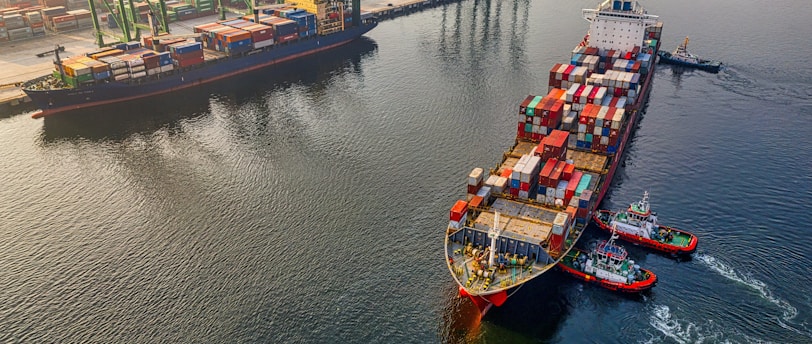
Most of the things you own, from your phone to your sneakers, probably spent weeks on a ship. Roughly 80% of world trade by volume moves by sea. Giant container ships carry goods between Asia, Europe, and the Americas every day. Without shipping, the global economy as we know it would not exist.
The Container Revolution
In 1956, an American businessman named Malcom McLean shipped goods in standardized metal boxes for the first time. These containers could move easily between ships, trains, and trucks without being unpacked. That simple idea slashed shipping costs and made global trade much cheaper. Today's biggest ships can carry more than 20,000 containers at once.
Key Routes and Chokepoints
Much of world trade passes through narrow waterways called chokepoints, like the Suez Canal, the Panama Canal, and the Strait of Malacca. When one gets blocked, the effects spread worldwide. In 2021, the ship Ever Given got stuck in the Suez Canal for six days, delaying billions of dollars in goods. Since late 2023, attacks on ships in the Red Sea have forced many vessels to take longer routes around Africa.
Why Shipping Costs Matter
When shipping costs rise, companies often pass those costs on to consumers through higher prices. During the pandemic, the cost of shipping a container from China to the U.S. soared to many times its normal level. Shipping companies like Maersk and MSC earn huge profits in boom times and struggle in slow ones. Their health is a good signal of global trade.
Conclusion
Global shipping moves most of the world's goods using containers, giant ships, and key sea routes. Disruptions at chokepoints can raise prices and delay products everywhere. Next time you open a package, think about the journey it took across the ocean. The world really is connected by the sea!