
Singapore: A Tiny Country With a Giant Economy
How a small island with no natural resources became one of the richest countries in the world.
ECONOMICS AROUND THE GLOBE
Neha Ashok
2/13/20261 min read

Introduction
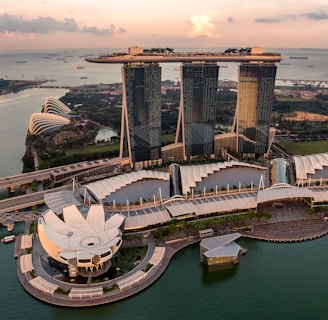
Singapore is a tiny island nation, smaller than New York City, with about 6 million people. It has almost no natural resources and even imports much of its water. Yet it is one of the richest countries in the world by income per person. Its success story is studied by economists everywhere.
A Rough Start
When Singapore became independent in 1965, it faced high unemployment, poor housing, and few resources. Its first prime minister, Lee Kuan Yew, focused on building a strong, efficient government and attracting foreign companies. Leaders invested heavily in education, housing, and infrastructure. Within a few decades, Singapore transformed from a developing country into a wealthy one.
Trade and Finance Hub
Singapore sits along the Strait of Malacca, one of the world's busiest shipping routes. Its port is among the busiest on Earth, handling enormous amounts of global cargo. Low taxes, clear rules, and political stability attracted banks and multinational companies. Today, it is one of Asia's top financial centers.
Smart Policies
Most Singaporeans live in high-quality public housing that they can own. A mandatory savings program called the Central Provident Fund helps citizens save for retirement, housing, and health care. Singapore also invests heavily in technology and skills training. However, it faces challenges like high living costs and an aging population.
Conclusion
Singapore turned a tiny island with few resources into a global economic powerhouse. Its location, education system, and business-friendly policies made the difference. It shows how smart planning can overcome limited resources. Small country, big lessons!