
Mongolia's Mining Economy
How mining copper, gold, and coal transformed Mongolia's economy and the challenges that came with it.
ECONOMICS AROUND THE GLOBE
Ridhwan Sharma
9/26/20242 min read

Introduction
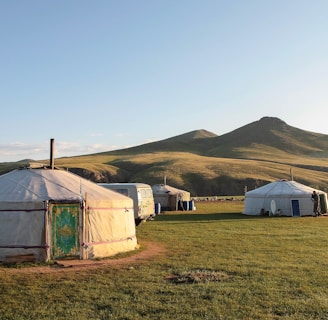
Mongolia is a vast country of open grasslands and deserts, home to only about 3.5 million people. For centuries, its economy depended on herding animals. Today, mining has become the engine of Mongolia's economy, bringing both big opportunities and serious challenges.
A Land of Minerals
Mongolia sits on huge deposits of copper, gold, and coal. One of the world's largest copper and gold mines, Oyu Tolgoi, is located in the Gobi Desert. Mining makes up the majority of Mongolia's exports, and most of those exports go to its giant neighbor, China.
Boom and Bust
In the early 2010s, a mining boom made Mongolia one of the fastest-growing economies in the world, with growth topping 17% in 2011. But when commodity prices fell and Chinese demand slowed, the economy struggled and the country needed help from the International Monetary Fund. Relying heavily on one industry makes an economy vulnerable to sudden swings.
Looking Ahead
Mongolia is trying to diversify by investing in agriculture, tourism, and renewable energy. It also created a sovereign wealth fund to save some mining income for the future. Many Mongolians still live a traditional herding lifestyle, so the country is balancing modern growth with protecting its culture and environment.
Conclusion
Mongolia's story shows how natural resources can transform an economy almost overnight. The key challenge is using that wealth wisely so the benefits last for generations!