
Let's Break It Down - The Velocity of Money
What the velocity of money is and what it tells us about the economy.
LET'S BREAK IT DOWN
Pranay Chowdhary
5/23/20252 min read

Introduction
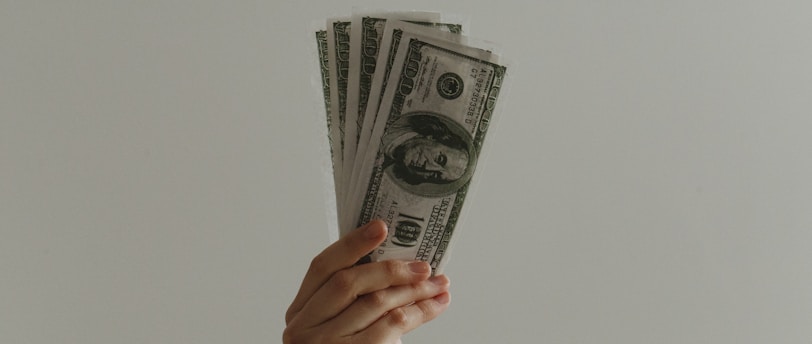
A single dollar can be spent many times in a year. You spend it at a store, the store uses it to pay an employee, and the employee spends it somewhere else. How fast money moves through the economy is called the velocity of money.
What Is the Velocity of Money?
Velocity of money measures how many times a unit of currency is used to buy goods and services in a given period. Economists calculate it by dividing GDP by the money supply. Higher velocity means money is changing hands quickly.
What It Tells Us
High velocity often signals a strong economy where people and businesses are spending actively. Low velocity can mean people are saving more and spending less, which may happen during uncertain times. In the U.S., the velocity of money has generally declined over the past few decades.
Velocity and Inflation
Economists consider velocity when thinking about inflation. If the money supply grows quickly but velocity falls, inflation may not rise much. This helps explain why the large increase in money after 2008 did not immediately cause high inflation, since much of the money was not being spent.
Conclusion
The velocity of money shows that how fast money moves matters as much as how much money exists. It is a key piece of the economic puzzle!