
Australia's Mining Economy
Iron ore, coal, and lithium have made Australia rich. Here is how mining shapes the economy down under.
ECONOMICS AROUND THE GLOBE
Avik Dutta
4/29/20261 min read

Introduction
Australia is famous for kangaroos, beaches, and the Great Barrier Reef. But beneath its red soil lies one of the world's richest supplies of minerals. Mining has helped make Australia one of the wealthiest countries in the world. Its economy shows both the rewards and risks of relying on natural resources.
What Australia Digs Up
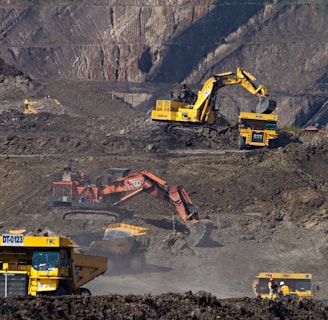
Australia is the world's largest exporter of iron ore, which is used to make steel. It is also a major exporter of coal, natural gas, gold, and aluminum. In recent years, it has become the world's top producer of lithium, a key ingredient in electric car batteries. Much of this mining happens in Western Australia and Queensland.
The China Connection
China is Australia's largest trading partner and the biggest buyer of its iron ore. As China built cities, factories, and railways, demand for Australian resources soared. This helped Australia avoid a recession for nearly 30 years, until the pandemic in 2020. But it also means Australia's economy is closely tied to China's.
Risks and the Future
When commodity prices fall or China's economy slows, Australia feels the impact. Mining also raises environmental concerns, especially around coal and its role in climate change. Australia is investing in critical minerals and clean energy to prepare for the future. Lithium and rare earth minerals could become even more important.
Conclusion
Mining has made Australia a resource superpower, especially through iron ore, coal, and lithium. Its close ties to China bring big rewards and big risks. The shift toward clean energy could reshape what Australia digs up next. It is a land of rich resources and big decisions!